Donald Trump signed Executive Order 14400 on April 3, known as “Urgent National Action to Save College Sports. ”This order is aiming to reshape the rules of college athletics, compensation, athlete transfer and eligibility. It is expected to take effect starting on August 1.
The order is calling for the federal government to support the enforcement of certain rules in college sports. Rules such as “pay-to-play” contracts, transfers and eligibility. It also calls out the NCAA (National Collegiate Athletics Association) to revise any rules that involve the movement, playing eligibility for players and for any revenue systems.
Some changes include a five year participation for college athletes, restricting on transfers with eligibility to participate in sports, which means students who are looking for a better education or a better athlete opportunity may now be forced to sit out for a year if they want to transfer a second time, and banning professional athletes returning to college sports.
The order calls for protection against multiple agent fees, and rules regarding if an athlete is injured while being enrolled.
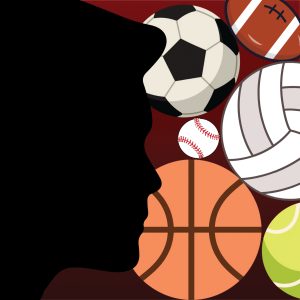
The Trump administration stated that the order is to bring “fairness, stability and order” to college sports. It had also said that NIL laws and court rulings had created inconsistencies across the country, which increased financial pressure on universities.
However, this action has created debate among legal experts and some college sport leaders. According to the Associated Press, some questioned the authority of the president in regards to changes in the NCAA, which has been known to be a private organization. Many brought up the case of NCAA v. Alston, which overall restricted the Association to limit athlete benefits.
With that decision from the Supreme Court, athletes were free from the limits the NCAA had placed them in regards to educational benefits. This is where Name, Image and Likeness, (NIL), spread nationwide, helping all athletes.
College sport leaders such as Greg Sankey, Tony Petitti, Jim Phillips, Brett Yorkmark and Pete Bevacqua have welcomed new changes as they view it as an issue that the government had to resolve. Other college sport leaders argue that only Congress can create rules for college sports, not the president.
With the deadline of August 1 approaching, many campuses will have to decide how they will comply with the changes placed by the federal government. Currently, it is unknown how this new policy will affect athletes in the long run, but many experts expect a string of lawsuits for the overreach of the government into college sports.