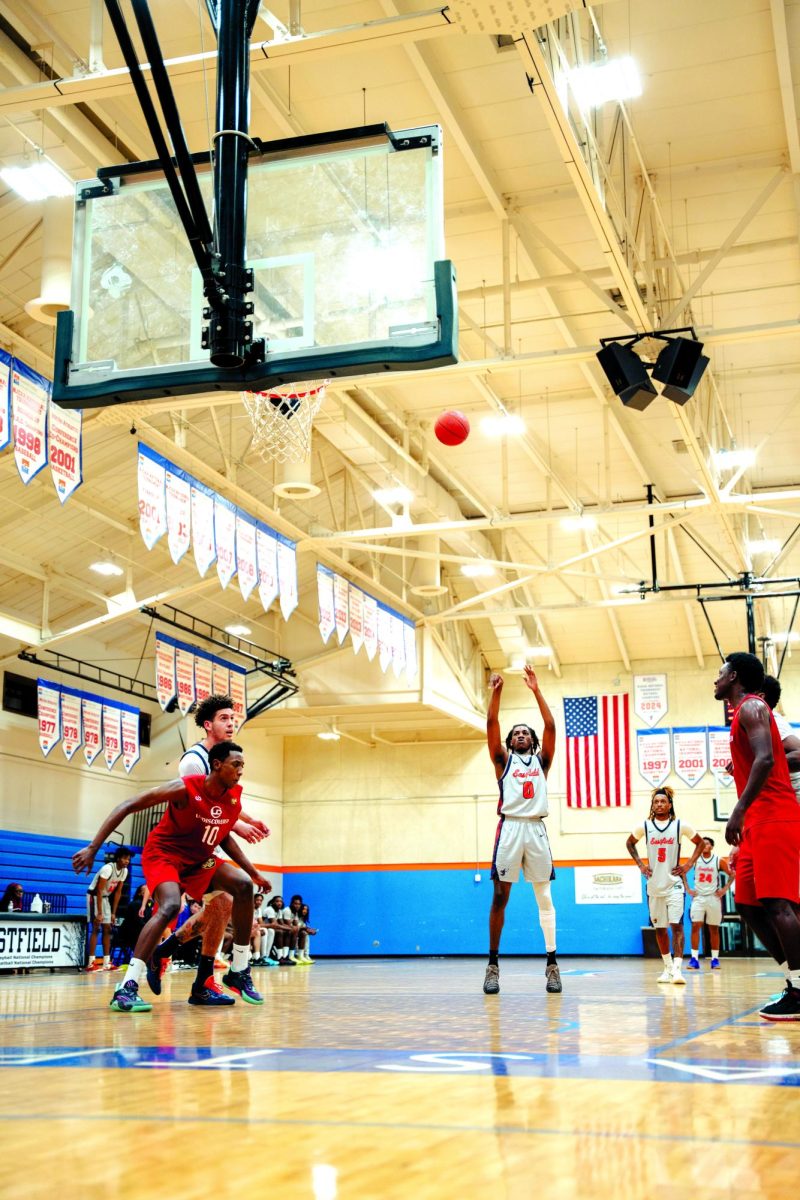
The culture around competitive sports has become an extremely toxic one for athletes, especially for teens. Parents and coaches may place immense pressure on young athletes due to the significant time and financial investments made in their training. This leads to a necessity to perform, or they will see their investment in the training as a waste. These athletes have the tendency to tie their self-worth directly to performance. This kind of pressure can cause burnout, anxiety, and resentment for the sport. The love of the sport vanishes as soon as the pressure begins to rise, this is why 70% of kids drop out of organized sports by the age of 13, according to a report released by the American Academy of Pediatrics (AAP). The primary purpose of kids joining sports is to allow them to have fun, teach them discipline and commitment, while also promoting a healthy and active lifestyle. When people around them expect them to perform at a high level, it undermines the actual reason why they started practicing the sport in the first place.
It’s important to start shifting the culture around competitive sports to the mental health of athletes. This is not to say that athletes shouldn’t be pushed to perform to the best of their abilities, but it is possible to support them while also making sure that their mental health is prioritized. One example of someone that is promoting this shift in the competitive sports culture is American figure skater, Alysa Liu.
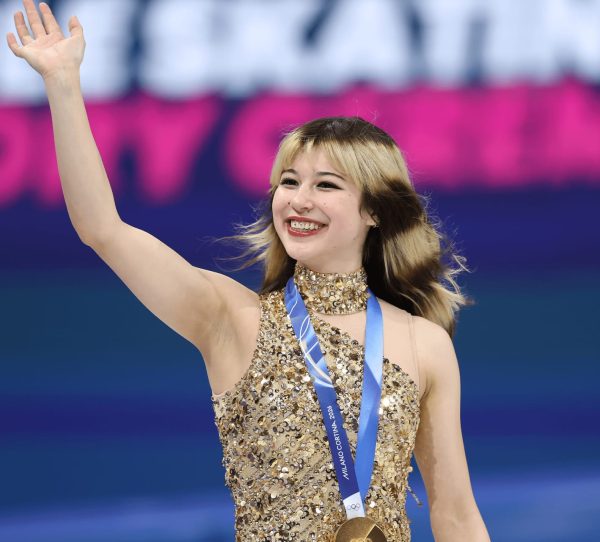
Liu first stepped onto the ice when she was just 5 years old. It started as recreational skating lessons but quickly turned into the pursuit of a competitive career. At age 12, she became the youngest woman ever to land a triple axel. At just 13 years old, she became the youngest ever U.S. Figure Skating champion. She was immediately seen as the U.S. answer to be able to compete against the Russian figure skaters dominating the podiums at the time. Liu then won the U.S. championship again in 2020, and competed at the Olympic Winter Games Beijing 2022, finishing sixth in the women’s singles event. A month later, she won a bronze medal at the 2022 ISU World Figure Skating Championships, becoming the first U.S. woman to reach the world podium since 2016. She finished the 2022 season and decided to retire from competitive skating at the age of 16. Even though she had achieved her goals, Liu felt burned out and just wanted to pursue a “normal” life, pursue her education, and avoid intense, long-term training. She was mentally exhausted and no longer wanted to endure the rigorous training schedule.
Liu explained in an interview “I crave human connection. And I was living by myself for many years, no family, no friends around, all for the sake of training.” Not only did she lack the social life that she craved for so many years, but she felt like she had no say in her costumes, songs, or anything having to do with her career “And I didn’t even pick my own programs, like people put me in dresses that I didn’t want to wear, I was literally just like a dress-up doll and I didn’t want to do it, but I felt like I had to do my duty of going to the Olympics for my younger self.” After a skiing trip, she decided to return to figure skating but on her own terms. She expressed how she was willing to come back but she would have more of a choice in the way she dressed, the songs she used, her training and programs. “I get to pick my own programme music. I get to help with the creative process of the programme. If I feel like I’m skating too much, I’ll back down. If I feel like I’m not skating enough I’ll ramp it up. No one’s going to starve me or tell me what I can or can’t eat.” This shows the healthy change in her lifestyle, from when other people were choosing the way she trained, and now that she is able to decide how to train without feeling burnout.
Liu finished second in the U.S. Championships in her first season back on the ice, Liu became the first U.S. figure skater to win the women’s singles world title in 19 years at the 2025 World Championships.
Alysa Liu is the perfect example of the shift that needs to be done in the competitive sports scene. It’s important for athletes to understand that their love for the sport is more important than winning, especially at a young age. Even though she retired at a very young age, she found her love for the sport again, and came back to the figure skating scene stronger than ever. This can be a wake up call for many athletes out there that might be feeling burnout, anxious, or exhausted. It is always a good idea to step back and look at the big picture and understand what is the best option for each person’s mental health.