Esports is making a triumphant return to the Eastfield campus and, this time, it’s here to level up.
After being paused for a while, the program is back with renewed passion, new faces, new games and a mission to bring students together through competitive gaming. From strategy to teamwork, practice sessions, team bonding and friendly rivalries, Eastfield’s esports is proving that the world of digital competition can build a solid real-world community. Whether it is perfecting plays, or simply sharing the excitement of a well-earned win, esports offers players more than a competition, it offers students a safe place that brings everyone together.
Although the team is still in the recruiting phase, Coach Harold McKinney already has a vision for how practices and competition prep will unfold.
“We haven’t reached full practices yet, but the plan is to meet with the players and decide on a reasonable schedule,” he explained. Evening practices seem the best option, allowing students to finish their academic responsibilities first. For games like Call of Duty, McKinney plans to incorporate aim training, strategy reviews and consistent scrims with local colleges to help the team improve. He mentioned the importance of scrimmages. “At high school esports, several colleges told me, ‘When you get your team ready, let us know, we’d be more happy to scrim.’ So that’s definitely part of the agenda,” he said.
When asked what skills students can gain from esports, the coach didn’t hesitate with his answer. “There’s a lot students can learn, even if they don’t want to compete,” he said.
McKinney highlighted opportunities like event organizing, production, content creation, live streaming and photography. But, above all, he emphasized team chemistry.
“You don’t have to be the best player to be on the best team,” he said. “One player I knew didn’t have the strongest gun skill, but his map knowledge was unmatched. That made him incredibly valuable.”
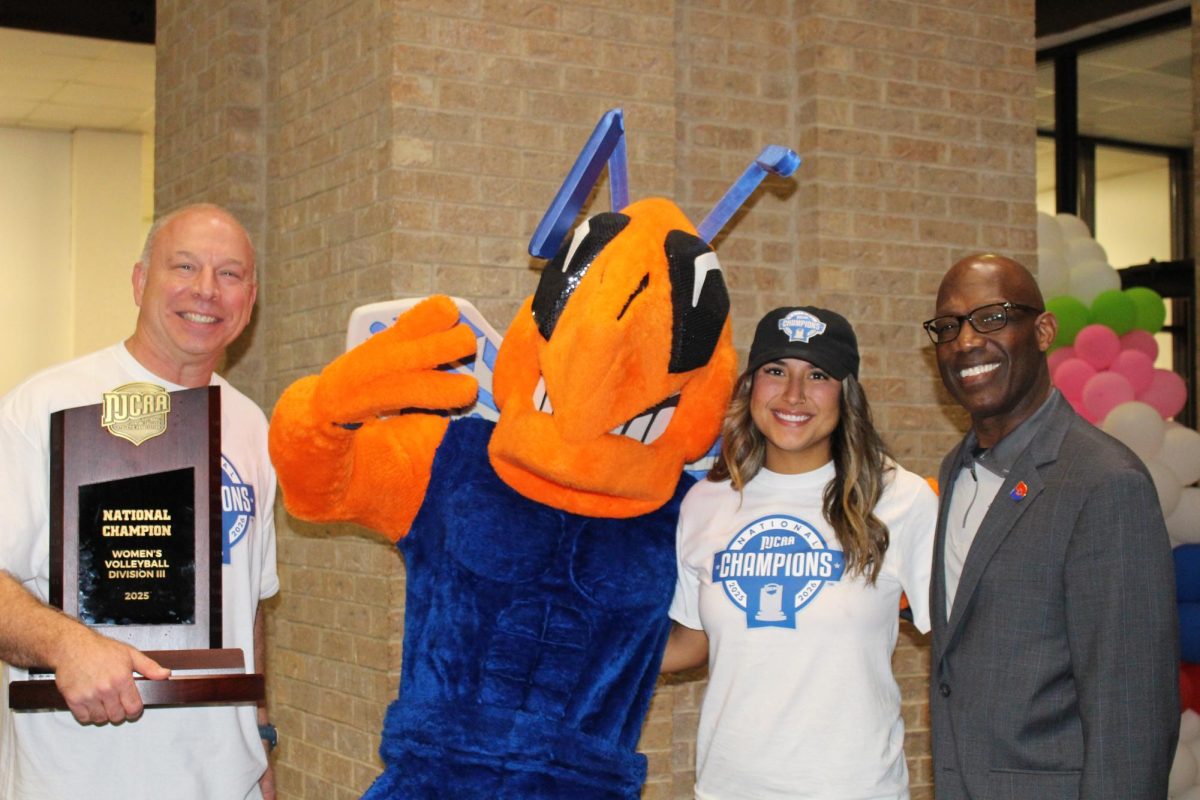
Inspired by the Eastfield ’s championship-winning volleyball team, whose coach said their biggest strength was chemistry, McKinney believes bonding is essential. “It’s the same in esports,” he added. To help students explore these areas, he is working to build an esports media team that will allow photographers, streamers and production-minded students to grow their portfolios.
The coach sees tremendous potential for the esports program in the next few years.
“I’d love to build connections with local high schools and create a bridge from high school esports to college esports,” McKinney said. Because Eastfield College is a two-year institution, he views the program as a launching pad for students hoping to transfer to four-year universities.
“If a player wants to transfer to UNT or UTA, I can reach out to their esports programs and say, ‘We have a player who would be a great fit.’ That transition becomes so much easier,” he explained. He reflected on how different things were when he was a student.
“When I competed here, nothing like this existed. If we had this back then, I would’ve gone pro in a heartbeat,” he said with a laugh.
With colleges investing in esports programs and leagues like the CCL offering prize pools and scholarships, students now have opportunities McKinney never had.
His advice to students who want to join the esports team is simple, “Don’t be afraid to show up and talk to people.” He noticed that many students who enjoy video games or anime feel hesitant to share those interests openly. He encouraged students to socialize, ask questions and get involved, reminding them that opportunities in esports come from connecting with others.
With renewed energy and a focus on community, the esports program is quickly becoming a place where students can compete, connect and grow. As it continues to expand the club offers a welcoming space of anyone ready to join the game.