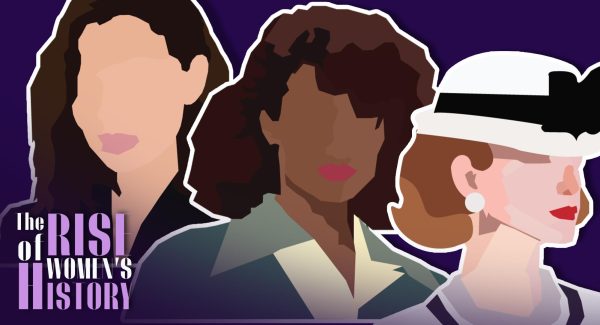
The celebration to honor women’s contributions to American society started off as a weeklong event that transitioned to Women’s History Month which is now celebrated annually during the month of March. Originally known as “Women’s History Week” in 1978, it has since developed into a month devoted to celebrating the accomplishments, bravery and tenacity of women throughout the history of the United States.
According to historians, the celebration’s origins date back more than a century. Thousands of women who worked in the garment industry protested their unfavorable working conditions by taking to the streets of New York City on March 8, 1857. The women called for safer workplaces, reduced hours and equitable pay. Even though police broke it up, the protest became a turning point in the struggle for women’s labor rights and helped set the stage for further activism.
In the ensuing decades, the movement grew even more. Suffragettes and women’s rights activists organized and pushed for greater political and social rights, building on the momentum generated by the early labor protests. In the end, their work helped create International Women’s Day, which was first celebrated as a worldwide call for gender equality in the early 20th century.
In 1978, a school district in Sonoma County, California, celebrated International Women’s Day on March 8 by holding the first official Women’s History Week. Presentations, essay competitions and community activities showcasing women’s frequently underappreciated contributions to society were all part of the weeklong celebration. The concept quickly spread throughout the nation.
The movement had gained national attention by 1980. Following meetings with women’s organizations, historians and representatives from the National Women’s History Project, which is now known as the National Women’s History Alliance, President Jimmy Carter issued a presidential proclamation designating the week of March 8 as National Women’s History Week.
Carter recognized the longstanding, underappreciation of women’s accomplishments in American history in his proclamation. He claimed that women were “too often unsung and sometimes their contributions went unnoticed.” The “achievements, leadership, courage, strength and love of the women who built America was as vital as that of the men whose names we know so well,” he stressed.
An important turning point was the national recognition it caused. More states started implementing Women’s History Week celebrations in the early 1980s. Teachers included women’s history in their lesson plans, and communities planned activities to honor female trailblazers, leaders and innovators.
The momentum kept growing and Women’s History Month was formally established in 1987 when Congress passed a resolution extending the observance from a week to the entire month of March. Since then, each president has made an annual proclamation recognizing the contributions made by women to the social, economic, cultural and political advancement of the country. These days, Women’s History Month is a reminder of the continuous fight for equality as well as a period for introspection. From 19th-century labor organizers to modern-day leaders, the celebration underscores a simple but powerful truth: women’s history is American history.