With Texas being an abstinence-first state, many students lack the depth of knowledge to make sound and safe choices regarding sexual intimacy. According to the Disinformation Social Media Alliance (DISA), the consequences of inadequate sex education are far-reaching as physical and emotional wellbeing are affected long-term. Yet Texas is one of five states that requires parents to opt in to sex education and abuse prevention classes under House Bill 1525. Recent legislative attacks on reproductive rights and emergency contraception have only furthered the stigmatization of sexual wellness in classrooms.
The personal lives of students affect their level of participation at school. Making sex education a part of the core curriculum in higher education provides students with the best possible chance to keep themselves safe and make the most sensible sexual choices in their own lives. Navigating conversations about sexual education poses a challenge in higher education as religious, cultural and social structures create different barriers for students to internalize.
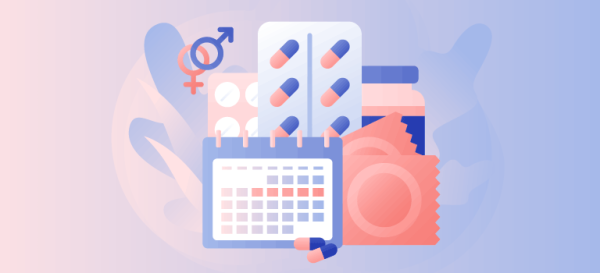
Adding inclusive and sound sexual education into the core curriculum for higher education will only positively affect students with a ripple effect. In the digital age, misinformation is easily distributed. In September 2025, a study conducted by American Academy of Pediatrics revealed that more than 20% of sexual health-related TikToks contained inaccurate information. Combatting viral misinformation starts with education. This provides a solid basis to not only deter the spread of misinformation, but also destigmatize discussions about sexual education and wellness in and outside of the classroom.
As a part of Dallas College requirements, Title IX training is mandatory for all students. In the federal law, it outlines discipline for sexual misconduct and protects students on Dallas College campuses. However, educating students on how to deny uncomfortable sexual advances, what consent is and how to practice consensual sex is not a requirement by the school. This disconnect between protection from sexual harassment with no required curriculum discussing how to describe sexual experiences in the first place — positive and negative — leaves students in vulnerable positions they may not be able to navigate safely.
The personal lives of students affect their level of participation at school. Making sex education a part of the core curriculum in higher education provides students with the best possible opportunity on how to interact with others during sexual situations and how to defend themselves when a sexual situation becomes uncomfortable. Organizations such as Healthy Futures of Texas – Healthy Futures of Texas and the American Association of University Professors provides digestible academic research and resources for students regarding sexual health and education. Colleges providing the basic fundamentals of sexual knowledge into the core curriculum will benefit the overall well-being of students in their private and personal lives.