
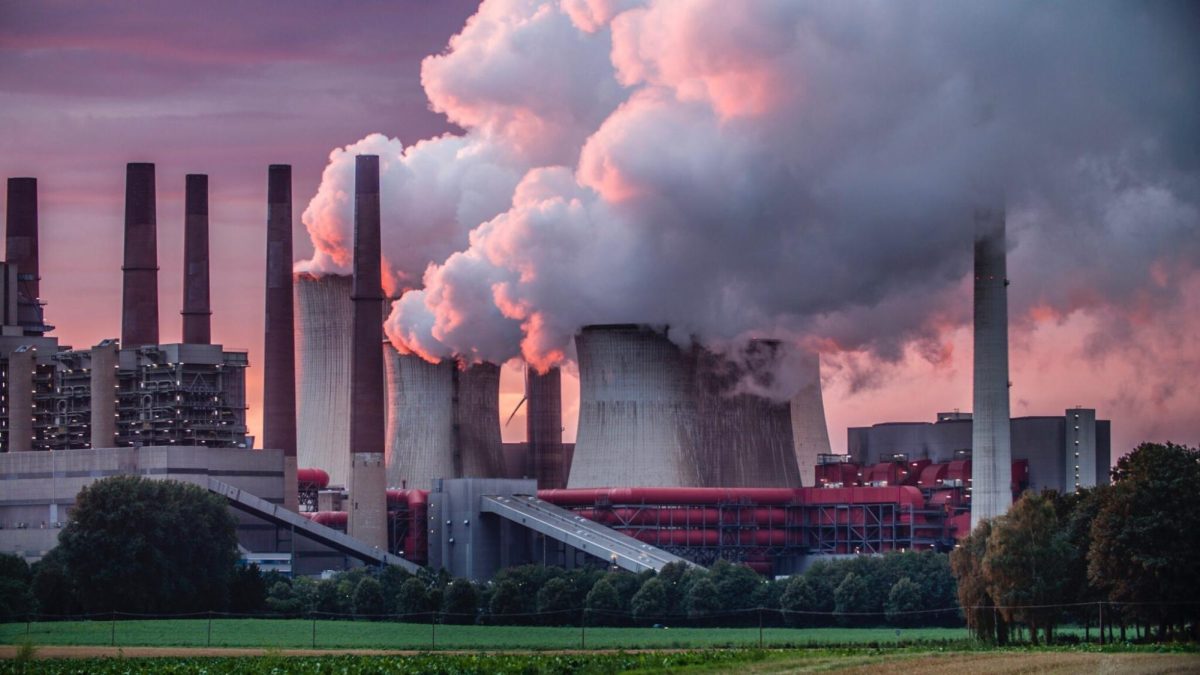
On Feb. 12, 2026 the EPA (Environmental Protection Agency) officially rescinded the 2009 Endangerment Finding, which regulated CO2 emissions throughout the United States and its territories. With the U.S. being the second highest emitter of CO2, this rescindment could prove to be disastrous if not reversed due to the acceleration it could bring to rising global temperatures.
While there are many climate organizations taking this matter to court in hopes to reinstate the Endangerment finding, it is unclear if the cases will be heard or stuck in years of litigation. The rescindment of the Endangerment Finding is concerning but was not unexpected based on the attack on environmental policies that has been happening for years.
This trend can be traced back to the late 1970s when the fossil fuel company Exxonmobile found evidence that the burning of fossil fuels, such as oil and natural gases, were causing the Earth’s climate to destabilize. Exxon knew the consequences that the continuation of their business could have on the future of the planet and decided to prioritize their profits and hide their findings.
This continues to modern day as many fossil fuel companies have put much financial backing into the misinformation and denial of climate change. All throughout the globe, these companies have paid off political candidates to discredit facts and confuse the general public as a way to keep the world reliant on fossil fuels.
In the past, companies such as Exxon Mobile have blatantly refuted and denied the science behind climate change, but they have since changed tactics by lobbying governments and subtly pushed denialism. One such example are the numerous donations by various fossil fuel companies put behind Donald Trump’s reelection campaign for presidency. Once Trump took office, a big push to discredit and defund climate science in the U.S. was seen, while those same companies saw big returns and received multiple government subsidies. Additionally, international law has also been greatly influenced by big oil company money.
Back in August 2025, international negotiations for a plastics treaty were held as a way to limit the production of plastics around the globe, but dozens of fossil fuel lobbyists swarmed the negotiations in attempts to influence negotiators to make a treaty with more favorable terms for big oil companies. In the end, negotiations fell through and a proper consensus failed to be made, delaying necessary action against a worsening problem.
This playbook of denying, distracting and delaying has greatly affected the world’s ability to effectively combat climate change. Year after year, profits increase for big oil companies and their cohorts as the Earth drifts closer and closer into a state of being uninhabitable.
Last year, Hill County in Central Texas experienced a devastating and unprecedented flood when the Guadalupe River rose 26 feet in 45 minutes. This was already a bad situation but, because there was no warning system in place and the cutting of federal funding to the national weather service, many people lost their lives when those deaths could have been prevented. All this ties back to improper planning and the belief that everything will solve itself. Fossil fuel companies are perpetuating this sentiment.
There is, however, a threat to these companies in the form of clean energy. Ever since their introduction to the market, clean energy has become cheaper and easier to use than fossil fuels. With entire countries being solely powered by clean energy, many economists have also predicted it is only a matter of time before clean energy overtakes fossil fuels as being the dominant energy source.
As clean energy improves and fossil fuels are deemed unreliable, it shows how desperate these fossil fuel companies are in trying to save their dying industry. This final push by fossil fuel companies is what could decide if 2026 could be a tipping point for a rise in emissions, or a turning point in favor of a more sustainable future.