Propaganda is described as biased information used to misinform or promote a particular agenda or cause. It is designed to influence certain emotions or attitudes towards that specific agenda. It is primarily used by governments and organizations meant to persuade and manipulate a target audience.
Propaganda has taken many different forms of sharing its message over time. Before mass media, propaganda was shared through word of mouth, dating back to BCE to the 1700s. Often used by priests, kings, leaders, and town criers spreading their messages verbally. Most people in this era could not read, so word of mouth was extremely powerful. Ancient Rome was the most known empire to use this method.
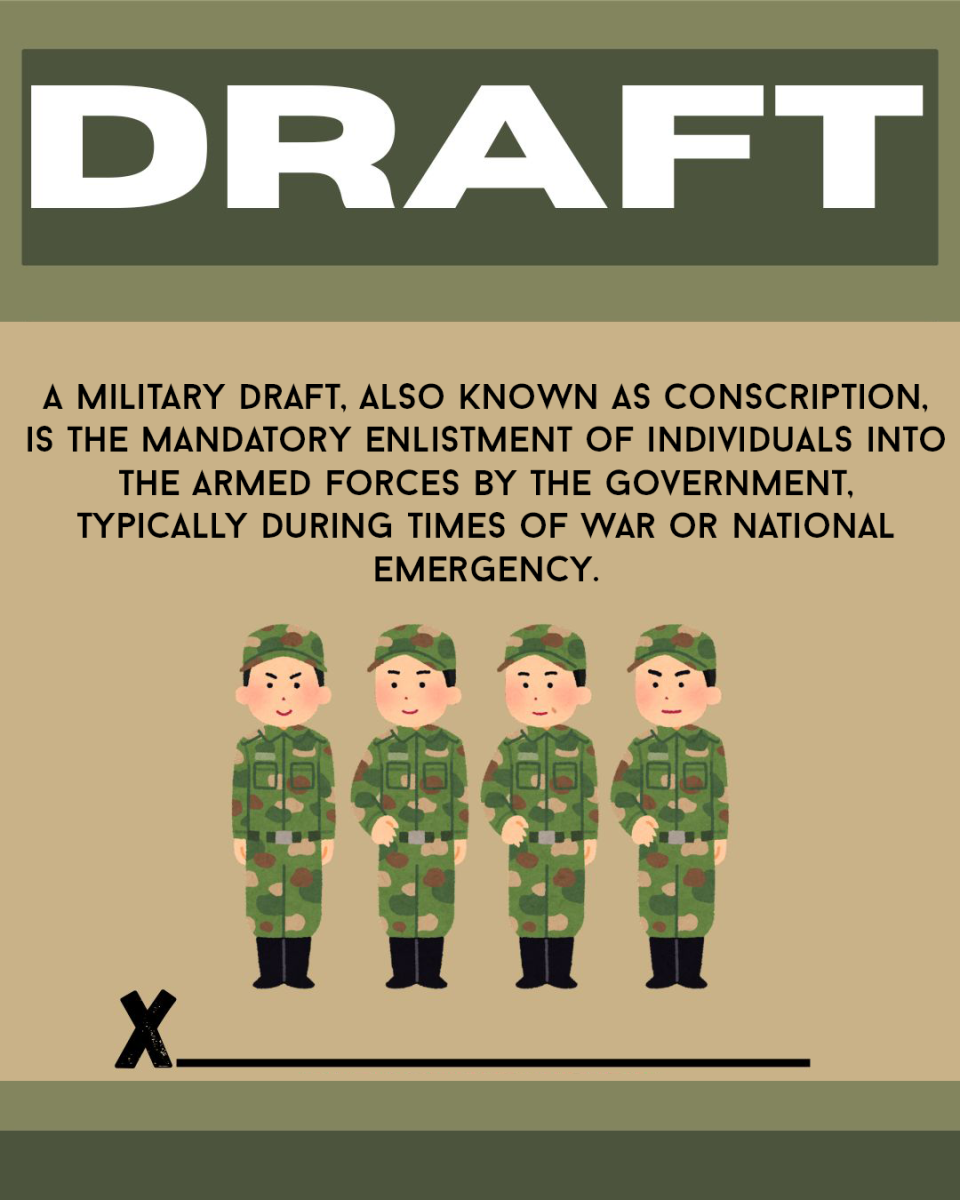
As the new age came, so did a new way to spread messages. The 1800s to the early 1900s was a pivotal moment in the history of propaganda, sparking a new era of advertising with newspapers, pamphlets, and posters. Due to its cheap and easy distribution it allowed advertisers to spread their agenda throughout a wider audience. The war and revolution sparked a wave of advertising never seen before. Meant to be easy to understand and used a lot of imagery, so that no matter your literacy level you were able to grasp the message. The famous Uncle Sam’s “I Want You” poster was created as army propaganda during World War II .
The 1900s showed an increasing surge in consumerism, due to the rise in radios and televisions, it was only a matter of time before new messaging was broadcast in an almost universal format. Now broadcasting leaders’ speeches, making it easier to influence the public, not just the target audience but everyone. Movie theaters started to implement advertisements before showing a movie. These methods succeeded in shaping the public’s opinion.
Modern day technology has expanded into billions of consumers with endless amounts of media and entertainment, and as of today this is where our propaganda comes from platforms such as YouTube, X (formerly known as Twitter), Spotify, HBO Max, and Amazon have started implementing advertisements clearly meant to influence the public’s opinion. Advertisements such as the U.S army, I.C.E, conservative politicians and even Pro-Israel propagandas have spread throughout these platforms, often pushed by people in power. such as government officials and politicians. These advertisements share a lot of misleading and often harmful sense of ideals.
Propaganda over the ages has evolved into several types of formats but one thing that has stayed the same is its ability to persuade and influence its audience. Not all propaganda has been harmful, but over the years propaganda has received a negative connotation due to the people in power who use it to push often harmful ideals and causes.