Knowing how to safely protest is important to have at this point in time. Important tips for first timers going to a protest: Wear toe close shoes (tennis shoes, hiking boots, steel-toed boots), comfortable clothes, and no bright color that will catch undivided attention.
What to bring: A small backpack to hold all the items you bring, enough water to stay hydrated and to flush out your eyes or someone else’s, earplugs, not the noise cancelling to stay aware of your surroundings, and lightweight snacks that are high energy in case you’re protesting for hours.
Do not bring any objects that can be mistaken for a weapon.
Prioritize the use of glasses, instead of contact lenses, during the protest. In case there is tear gas, chemicals, or pepper being sprayed, it will get trapped in the contacts, and it will mess with your eyes.
Wanting to keep your identity unknown is totally okay to do, such as with bandanas and masks. Some facial recognition can tell who you are by how far your eyes are apart, so you can wear something that can cover more of your face. In case of an emergency, know your surroundings, have an exit plan on hand, and a map of the area.
If you end up in a situation where you will need a lawyer, the court will appoint an attorney for a fair trial, which is government- funded, thanks to the 6th Amendment, the right to counsel.
Use the buddy system. If you can bring someone with you, you should, but if you decide to go alone, once you get to the protest, befriend someone, make them your buddy for the protest. If something comes up, that will be your person. You guys will need to stick together, but if you can’t find someone. Let your emergency contact know where you are heading, what time it will start, and what time you are thinking of heading out. Have their phone number written down on your forearm or memorize it.
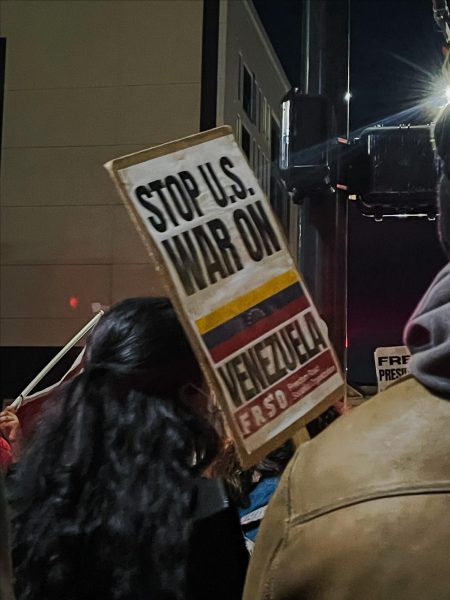
It is important to know your rights in case of an inconvenience. 1st Amendment freedom of speech, 4th Amendment not giving them the right to search your belongings, and 5th Amendment rights of persons. “I do not wish to speak with you, answer your questions, or sign any documents”.
You are allowed to protest peacefully on streets, sidewalks, and parks, which are known as “traditional public forums”. You can also speak out in plazas in front of government buildings.
You are not allowed to block entry to the building. Remember to stay safe and use freedom of speech correctly.