A government shutdown occurs when federal funding expires, temporarily disrupting government services. It usually ends when Congress passes a short term funding bill to get government services running again. The 2025 United States government shutdown began on October 1 and ended on November 12, totalling 43 days, making it the longest government shutdown in U.S. history. This caused the temporary closure of nonessential government services and led to federal employees being sent home, while essential workers still had to work without pay.
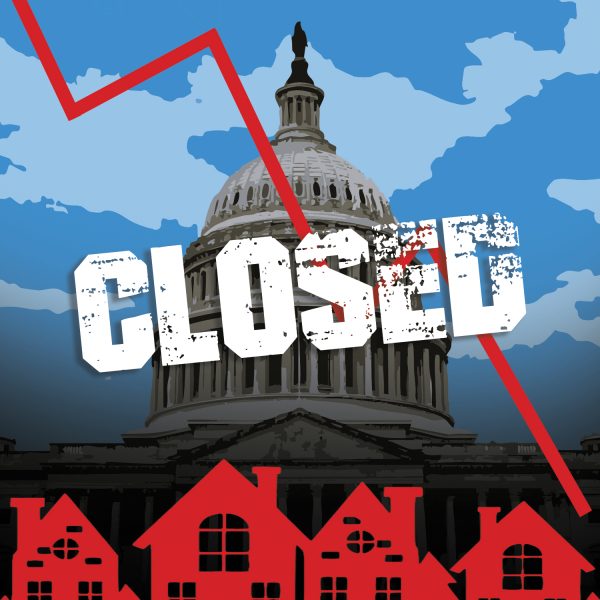
Businesses that rely on government activity tend to slow down or even come to a complete halt the longer a shutdown lasts. Places such as parks, zoos and museums lose tourism money, costing millions. Low income programs like WIC, SNAP and housing assistance also slow down and can eventually come to a stop if the government cannot support them, affecting millions of low income workers who depend on these programs and forcing them to look for workarounds just to get by.
Low income workers and families are hit especially hard because they usually live paycheck to paycheck and often rely on more than one source of income or government help to survive. Most federal contractors, such as cafeteria workers, janitors and even security guards, do not get back pay even after the shutdown ends. This leaves many of them choosing between paying rent, buying food or keeping the lights on. And even after the shutdown ends, it takes much time for families to get back on track and rebuild their routines and finances.
Although the shutdown officially ended once Congress agreed on funding, the problems it caused did not simply disappear. Many low income households spend weeks or months trying to catch up on bills that piled up during the 43 days. Late fees, overdue rent and shutoff warnings start stacking up. For families already struggling, missing even one paycheck is tough. Missing several in a row puts them in a situation that is almost impossible to dig out of quickly. During the shutdown, the programs meant to help low income families barely had enough to run. SNAP continued early on, but states warned that benefits could be affected if the shutdown lasted longer.
WIC offices shortened hours and cut back on staff, and some families were told they might not get full benefits if funds ran out. Housing assistance payments were delayed, which left many renters stressing about landlords getting frustrated even though the situation was not their fault.
The emotional toll was heavy, too. Parents working long shifts or multiple jobs suddenly had no steady paycheck. Some had to pick up temporary work that paid less or offered no stability. Others found themselves skipping meals to make sure their children had enough to eat. Food banks became crowded because more families needed help. The compounded stress made it harder for kids at home. They could feel the pressure, and it affected their routines and schoolwork.
Small businesses also struggled. Restaurants, coffee shops, daycares near federal buildings and local transportation services lost customers fast. When workers hurt, the businesses that depend on them also feel the impact. The shutdown did not just affect government employees, it affected entire communities.
When the shutdown finally ended, federal agencies were backed up with weeks of unfinished work. Applications for benefits, housing support and childcare help piled up, slowing their systems down to a complete halt.
Workers who needed help were told to expect delays because of the influx of people applying for assistance at the same time. While federal employees eventually got back pay, contractors did not, meaning those families had to recover on their own.
The 2025 shutdown showed how serious the effects can be. For some people, it was just an inconvenience.
But for low income families, it was life changing. Missed meals, rising bills and the stress of trying to stay afloat with no clear end in sight left many suffering. Even after the government reopened, the damage did not magically disappear.
Although the shutdown is over, it left a reminder that when government funding stops, it is the people who have the least who end up paying the biggest price.